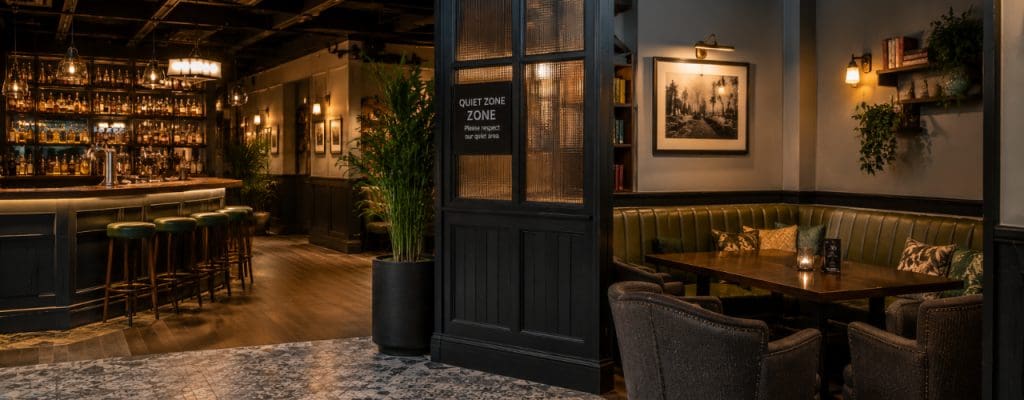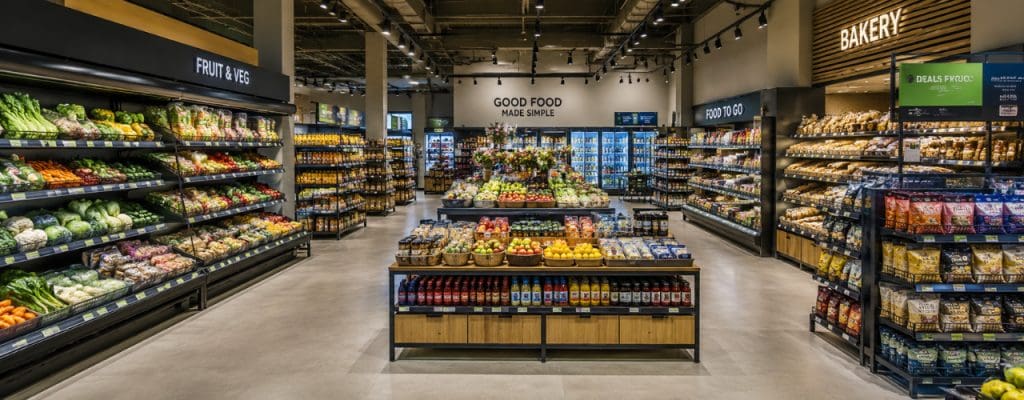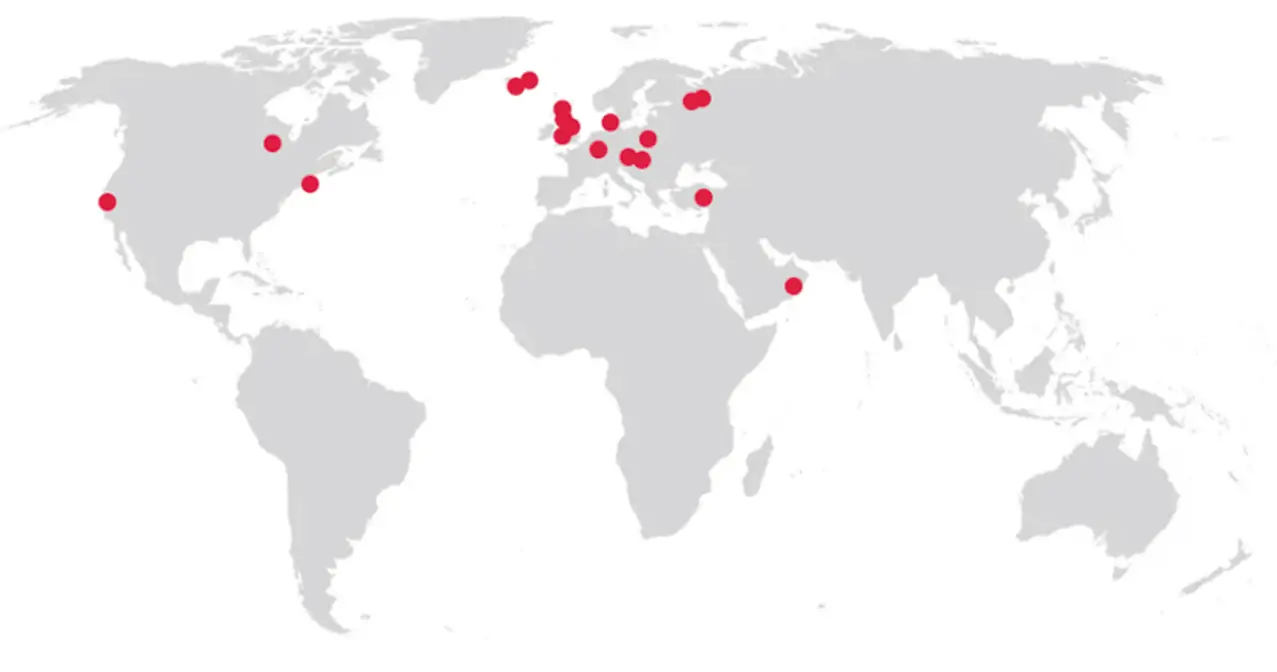
Preventative-health and diagnostic services are becoming more visible in accessible high-street locations. Concepts such as dedicated health-scanning centres, wellness consultations and selected testing services show how health support can be delivered outside traditional hospital environments. These services create specific experience-design requirements around clarity, privacy, accessibility and clinical confidence.
What Are the Main Preventative Health Retail Trends?
Current preventative-health retail trends include dedicated health-scanning centres, wellness consultations, selected in-store testing and digital services that help customers access or understand personal health information. These models differ in their clinical scope and should not be treated as interchangeable replacements for traditional healthcare.
Neko Health operates a dedicated health centre in Spitalfields offering booked one-hour scans covering areas including skin, heart, blood and metabolic health, followed by a clinician consultation. Holland & Barrett offers free wellness consultations in stores and online, alongside at-home blood tests supplied through Randox. These examples show how health and wellbeing services are becoming more accessible through different clinical, retail and at-home models.
Why Are High-Street Wellness Services Evolving?
High-street wellness services are developing as organisations look for more accessible ways to provide preventative support, diagnostics and advice. Location convenience may help some customers fit appointments into daily routines, but demand, footfall and trust need to be measured for each concept rather than assumed.
The physical retail space can reduce uncertainty before an appointment by making check-in, waiting and private service areas easy to understand. Zoning, communications, privacy and staff workflows should work together. A clearer environment may support customer confidence and operational consistency, but repeat visits and revenue depend on the quality and relevance of the wider service.
How Can Diagnostics in Retail Environments Influence Customer Behaviour?
Diagnostics in familiar high-street locations can make some services easier to access and understand. The environment may reduce unfamiliarity for certain customers, but it should not minimise the clinical nature of the appointment or suggest that everyone will experience less anxiety.
Customers need clear information about what will be measured, how data will be used and what happens after the service. Private consultation and testing areas should protect confidentiality, while the wider environment should make support visible without presenting clinical procedures as casual shop-floor activity.
How Can Wellness Retail Design Support Commercial Performance?
Wellness retail design can support commercial performance by reducing friction within booking, arrival, consultation and follow-up journeys. Appropriate measures may include booking completion, abandonment, service uptake, customer feedback, repeat use and the ability of staff to deliver the service effectively.
Clear wayfinding can help customers understand where to check in, wait and access private services. Materials, lighting and spatial separation may make the environment feel less institutional, but they must sit alongside clinical requirements, accessibility, hygiene and operational efficiency. Design should support the service rather than claim to produce revenue growth on its own.
What Makes Design-Led Health Experiences Trustworthy?
Design-led health experiences can support trust by making the service process clear and protecting privacy. Visible professionalism, uncluttered communications and well-organised spaces may reinforce confidence, but trust also depends on clinical quality, staff expertise, data protection and transparent information.
Lighting, sound and material choices can contribute to a calmer environment during consultation or testing. These decisions should respond to the needs of the service and its users rather than being treated as a substitute for clinical governance or evidence of guaranteed return visits.
Why Are Brands Investing in Physical Health Service Environments?
Brands and healthcare providers may invest in physical health-service environments to make preventative support more accessible and visible. This creates a potential new role for selected high-street spaces, but commercial viability depends on demand, regulation, clinical delivery, privacy and the operating model.
For organisations exploring this type of format, planning needs to connect customer journeys, private service areas, communications and operational workflows. M Worldwide’s verified expertise covers customer journey mapping, spatial planning and operational workflows. Any healthcare application would need to be developed alongside appropriately qualified clinical and regulatory specialists.
Frequently Asked Questions About Preventative Health Retail Trends
Questions about preventative-health retail trends often focus on how physical environments can support access, trust and operational delivery. Any assessment should distinguish between retail advice, diagnostic testing and clinical care, because each model carries different customer, privacy and regulatory requirements.
What defines proactive health retail today?
Proactive health retail includes commercial services that help customers access preventative information, wellness advice or selected diagnostic testing before an urgent medical need arises. The scope varies significantly, and these services should complement appropriate professional healthcare rather than be described as replacements for it.
Why are health and wellness retail trends shifting now?
Health and wellness retail trends are shifting as wearables, digital services and testing options make personal health information more familiar to consumers. Some high-street locations are adapting to provide consultations or testing, but the facilities and clinical model vary by provider and site.
How do retail trends affect the everyday wellbeing experience?
Current retail trends can make preventative-health services more visible and accessible within everyday locations. The effect on customer confidence and participation should be assessed carefully rather than suggesting that blood tests or health scans have become as routine as ordinary retail purchases.
M Worldwide helps organisations examine complex customer journeys, spatial requirements and operational workflows. Talk to us about customer experience and environmental design for a new service environment, with specialist healthcare requirements led by the appropriate clinical and regulatory experts.