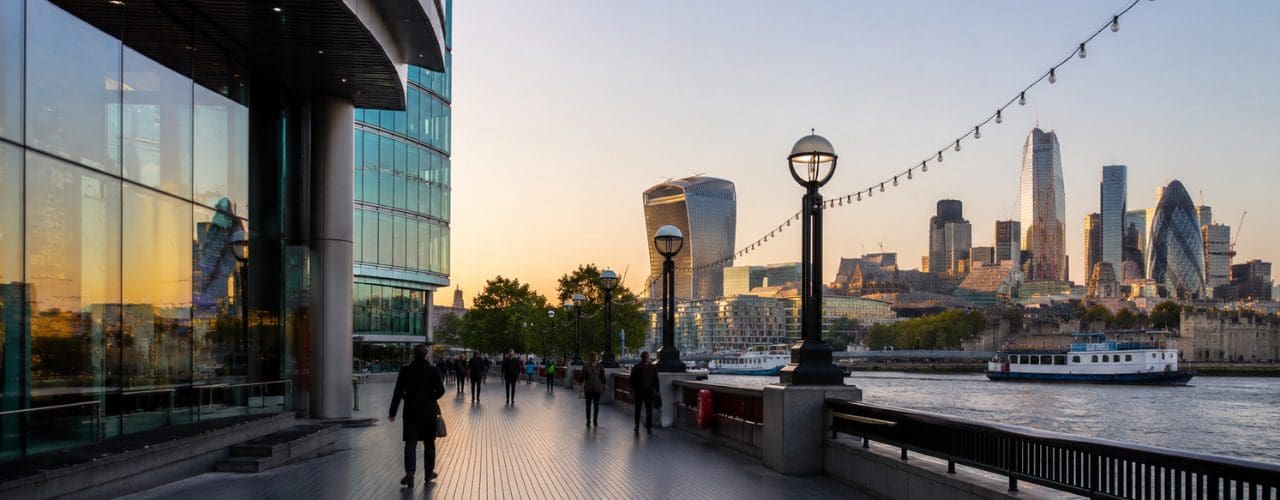
London is recognised as a world-leading location for design, but for brands choosing a design partner, the attraction goes beyond creative reputation.
The city brings together a highly competitive mix of retail, hospitality and customer-facing businesses. Established brands operate alongside emerging concepts, independents and international flagships, all working to attract customers and build loyalty.
That makes London a valuable environment in which to develop strategic and creative ideas.
For businesses using the search term design agency London, the opportunity extends beyond access to a team based in the capital. It includes strategic and creative thinking informed by M Worldwide’s experience across physical and digital environments.
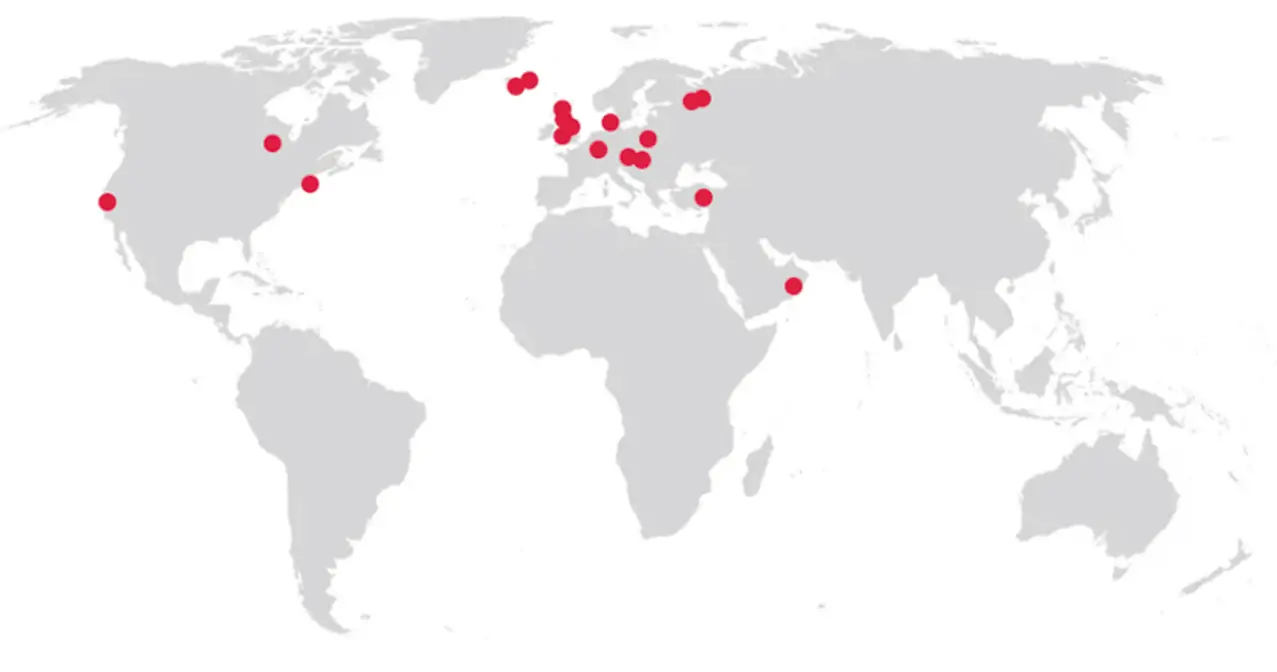
At M Worldwide, our London headquarters provide that perspective while our work extends across Europe, the Middle East, Asia and North America.
Creativity sharpened by competition
Good design rarely develops in isolation.
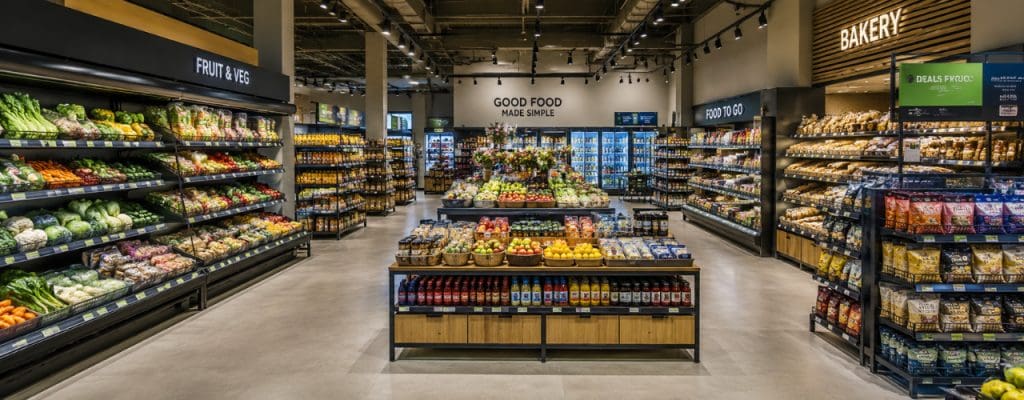
Retailers are responding to customers who increasingly use digital and physical channels. Restaurants accommodate dine-in, takeaway, collection, self-service and digital ordering. Financial services brands are reconsidering the role of physical locations as many everyday transactions take place online.
London brings these customer and operational challenges together within one market.
Across the city, established and emerging formats demonstrate different approaches to stores, hospitality concepts, service models, digital integration and brand experience.
These approaches do not all deliver the same level of clarity, engagement or operational performance.
That variation makes the city a useful source of insight.
M Worldwide’s approach to strategic design examines customer, brand and competitor insight to understand how an experience performs. This includes identifying barriers in the customer journey, assessing navigation and determining how an environment can create a clearer reason to visit.
For a design team, those are important commercial and customer-experience questions.
Retail and hospitality provide a live view of changing behaviour
Retail and hospitality reveal changes in customer behaviour through direct interaction with physical and digital touchpoints.
Customers experience the consequences of design decisions through ordering journeys, collection points, navigation and the way an environment supports their visit.
They also experience the benefits when those touchpoints work together as one joined-up journey.
In London, the breadth of these experiences provides a useful live reference point for designers. Global flagships operate alongside neighbourhood stores. Quick-service restaurants compete with independent food concepts. Established brands test new formats while new entrants attempt to build recognition quickly. For more on how M Worldwide approaches these environments, explore our retail design and hospitality and leisure design expertise.
The value does not come from copying the latest concept. It comes from understanding the strategy, customer insight and operational planning behind it.
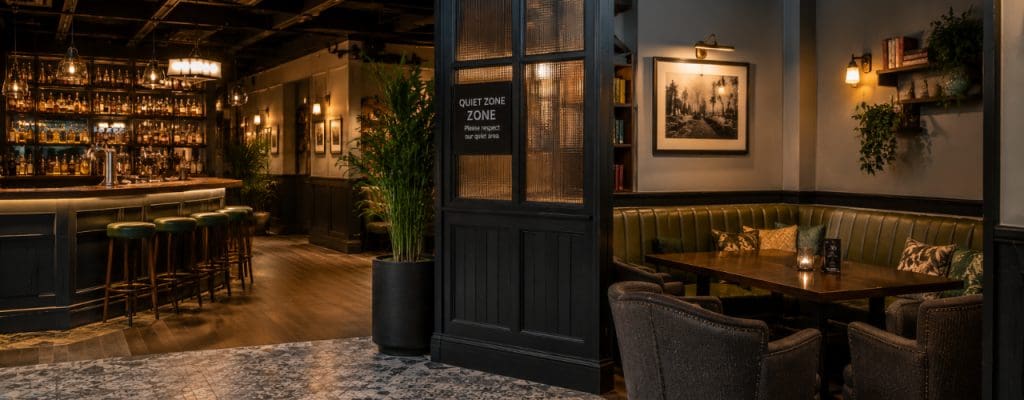
Hospitality formats manage several customer journeys within one footprint, including dine-in, takeaway, self-service and collection. Retail environments connect staff, products, communications and digital touchpoints. Leisure environments coordinate physical spaces with customer-facing technology.
For brands choosing a design agency in London, exposure to that environment can support broader strategic questions at the beginning of a project.
Looking beyond your own category
Working in London also provides an opportunity to examine ideas across different customer-facing sectors.
Brands monitor their competitors, while M Worldwide’s research approach also includes competitor and parallel-world trends analysis.
This cross-sector analysis considers how customer journeys, service expectations and digital interactions operate across retail, hospitality, financial services and other environments.
It gives design teams a wider evidence base when defining a strategy or creative brief.
Principles relating to welcome, product discovery, zoning, service and reassurance can therefore be assessed across more than one sector before they are applied to a specific brand challenge.
That cross-sector exposure helps designers evaluate category conventions instead of automatically reproducing them.
M Worldwide works across retail, hospitality and leisure, financial services, workplace, travel, digital, placemaking and destination environments. This breadth supports an approach informed by experience across several customer-facing sectors.
Strategic thinking before creative execution
The value of a London design agency extends beyond aesthetics.
Strong creative work begins with understanding what needs to change.
That may involve focus groups, data analysis, deep dives, one-to-one consultation, CX end-user segmentation mapping, competitor and parallel-world trends analysis, customer journey mapping or defining a clearer proposition before design begins.
For us, evidence provides direction rather than restriction.
It helps identify barriers and unnecessary effort within an experience, assess how a brand proposition translates into physical and digital touchpoints, and understand current customer behaviour.
That thinking then informs the creative response.
M Worldwide combines Research, Insights and Trends Analysis with Brand and Communications Design, Customer Experience Design and Environmental Design. Bringing those disciplines together helps connect the initial strategy with the experience customers ultimately encounter.
It also means asking an important question throughout the process:
What does this design decision need to achieve?
Creative ideas also need to work under real customer and operational conditions.
The lunchtime rush still happens.
Customers still arrive through different entrances.
Digital orders still need to be collected.
Staff still need enough space to do their jobs properly.
Property portfolios still include awkward footprints and different formats.
A successful idea needs to account for those practical conditions.
This is where M Worldwide’s strategic thinking, creative intelligence and understanding of operations come together.
Our work on Subway across EMEA involved developing the Fresh Forward 2.0 restaurant format to respond to regional preferences and different customer missions while maintaining a recognisable brand experience.
The format considered customer flow, self-service ordering, app-based collection, comfort, communications, digital integration and operational requirements as parts of one joined-up restaurant experience.
For international brands considering a design agency in London, the ability to move from strategic thinking to practical, rollout-ready design is an important part of the creative process.
London ideas with an international perspective
London provides the creative context, while international design also needs to respond to the requirements of each market.
Global brands need a clear definition of what should remain consistent and where flexibility is required.
Customer habits differ.
Property conditions differ.
Service expectations differ.
Operational models differ.
Reproducing one environment identically everywhere does not account for these market and operational differences.
Strong concepts establish clear principles: the elements that make the experience recognisably part of the brand, alongside components that can respond to different markets and formats.
M Worldwide is headquartered in London but works across Europe, the Middle East, Asia and North America.
That combination provides a useful perspective: strategic and creative thinking informed by London’s position as a world-leading location for design, applied with an understanding that effective experiences need to respond to local customer, property and operational requirements.
What should you expect from a design agency in London?
Location alone is not enough. Brands need to assess the strategy, insight, creativity and delivery expertise behind the work.
Brands choosing a design partner should look beyond where the studio is based and consider how the agency thinks.
- Can the team identify the real customer and commercial challenge?
- Can research influence the creative brief rather than simply validate an existing idea?
- Can brand strategy translate into physical and digital experiences?
- Does the agency understand operational reality as well as creative ambition?
- And can the idea retain its strength when it moves across different formats or international markets?
Those questions provide a more useful basis for selection than postcode alone.
Why London still matters
London does not produce one recognisable style of design.
Its value comes from the mix of brands, sectors, cultures, customer behaviours and design ideas present within the city.
For design teams, this provides opportunities to examine customer-facing formats across different sectors and categories.
For clients searching for a design agency in London, that can mean access to creative thinking informed by how people shop, eat, travel, work and interact with brands.
The result should not be an experience that looks like it was designed in London.
It should be an experience informed by the strategic thinking, customer insight and creative scrutiny available in London.
Frequently asked questions
Why do international brands choose design agencies in London?
London is a world-leading location for design and has significant retail, hospitality and customer-experience activity. This gives design teams exposure to different formats, sectors and customer behaviours that can inform strategic and creative thinking for UK and international projects.
What should I look for when choosing a design agency in London?
Look beyond the agency’s portfolio style. Consider whether it combines strategy, customer insight, creative design and practical delivery expertise, and whether it can demonstrate how those disciplines solve commercial and customer challenges.
Can a London design agency deliver global projects?
Yes. M Worldwide works across Europe, the Middle East, Asia and North America. Its approach balances brand consistency with local customer behaviour, operational requirements and format differences.
Does M Worldwide only work with London-based brands?
No. M Worldwide is headquartered in London and works across Europe, the Middle East, Asia and North America, with sector experience including retail, hospitality and leisure, financial services, workplace, travel and placemaking.
Strategic thinking. Creative intelligence. Real-world experience.
Brands searching for a design agency in London are often looking for more than geographical convenience.
They are looking for strategic and creative quality, insight into competitive customer-facing sectors and a partner capable of translating that thinking into practical, high-performing experiences.
That is where London continues to matter.
Contact us to discuss a brand or experience challenge that needs to connect strategy, creativity and practical delivery.