Online retail has raised expectations around speed, convenience and availability. Physical stores therefore need to offer a clear reason to visit beyond completing a basic transaction. That reason may involve product discovery, advice, service, hospitality, community relevance or an experience that cannot be replicated through a screen.
Why Retail Design Needs to Give Customers a Stronger Reason to Visit
Retail design matters because physical stores compete with the ease of online purchasing. A store can differentiate itself by making products easier to explore, expertise easier to access and the brand proposition easier to understand.
The high street has a higher bar for relevance when simple purchases can be completed digitally. Physical locations need a clear role within the wider customer journey, whether that is discovery, reassurance, consultation, service or social interaction.
A purely transactional format may struggle to differentiate itself when the same purchase can be completed online. Retail experience design can introduce clearer guidance, more useful service moments and a stronger sense of place. The results should be assessed through customer behaviour and operational performance rather than assumed from appearance alone.
How human-centred retail design supports the customer journey
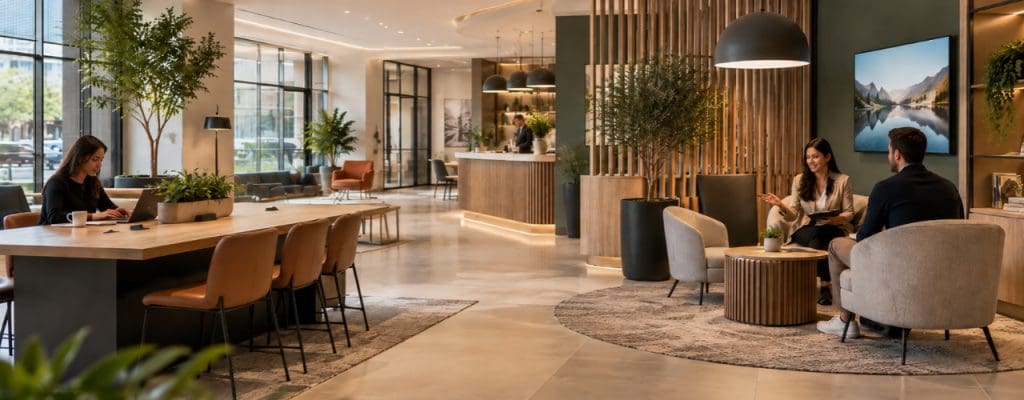
Human-centred retail design starts with understanding what customers are trying to achieve and where uncertainty occurs. Clear wayfinding, appropriate seating and visible support can make the environment easier to use, encourage considered exploration and support conversations with store teams.
Designing for people means examining how different customers move through the space, what information they need and how much time they have. Layout decisions should support common missions without forcing every visitor through the same sequence.
Spatial zoning, consultation areas and service points can give advice-led interactions an appropriate place within the store. These choices should reflect the brand proposition while remaining practical for colleagues, accessible to customers and suitable for the available footprint.
How brand storytelling in retail design can support commercial outcomes
Brand storytelling becomes commercially useful when it helps customers understand the proposition and navigate the experience. Materials, lighting, communications and layout can reinforce what is distinctive about the brand, but each element should also support a practical customer need.
Every physical touchpoint contributes to the way a brand is understood. Effective retail design uses fixtures, materials, lighting and communications as one connected system, so the environment feels recognisable without allowing decorative detail to compete with products or service.
The effect should be measured rather than assumed. Dwell time, conversion, service uptake, customer feedback and repeat visits can help retailers understand whether the environment is strengthening engagement or simply adding visual detail.
Making retail spaces worth visiting multiple times
Retail spaces can create reasons to return when the format supports changing products, services or local activity. Expert advice, workshops, demonstrations or community partnerships may be appropriate where they are relevant to the brand and its customers.
Adaptable zones can help a store respond to different uses without requiring constant refurbishment. The right level of flexibility depends on the operating model, available space and the frequency with which displays, services or events need to change.
Meaningful connection is more likely when the space supports useful interaction rather than treating community activity as decoration. Clear hosting areas, visible expertise and locally relevant content can help a store contribute to the surrounding area while retaining a defined commercial purpose.
Steps to secure a long-term retail design strategy
A long-term retail design strategy begins with mapping customer journeys and aligning spatial planning, service behaviours and commercial objectives. This creates a practical basis for deciding what should remain consistent and where the format needs flexibility.
A rigid layout can become difficult to operate as services, technology and customer expectations change. Behavioural research and operational insight can help retailers build enough flexibility to accommodate foreseeable change without claiming to predict every future requirement.
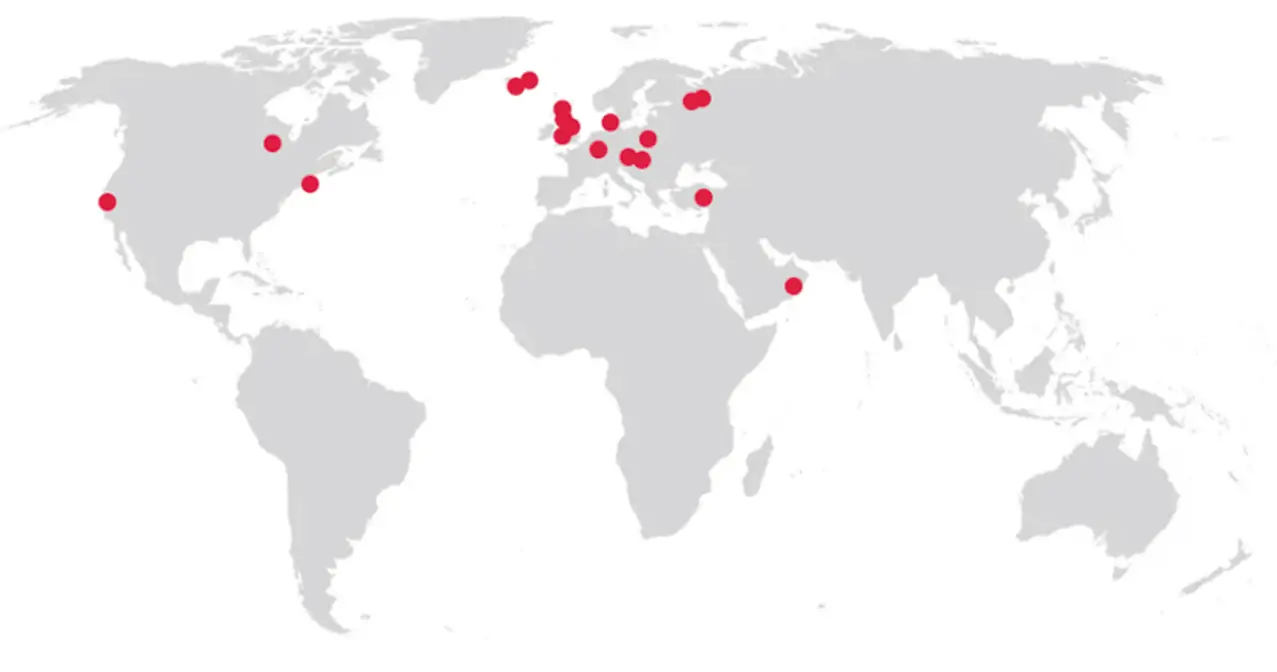
M Worldwide’s environmental design approach includes macro and micro planning, traffic-flow analysis, layout and adjacency planning. Auditing these elements can identify blockages, unclear service points and opportunities to make an estate more consistent and suitable for wider rollout.
Research should consider local shopping missions, staff experience and the practical performance of existing formats. Flexible zones, durable materials and clear operating principles can then support adaptation while protecting the core customer and brand experience.
How community-focused retail design can strengthen the high street
Community-focused retail design can strengthen high-street relevance when it responds to real local needs. Events, collaborations or advice-led services should have a clear purpose and fit naturally within the brand rather than being added as a generic engagement tactic.
Some stores may benefit from shared areas, local product features or seating that supports consultation and social use. These choices should be based on the audience, location and operating model, with accessibility and day-to-day management considered from the start.
A responsible high-street presence also depends on how the store relates to its neighbours, frontage and public realm. Consistent, useful interaction may strengthen brand connection over time, but advocacy and loyalty should be measured rather than treated as automatic outcomes.
Beginning your physical store design transformation
Brands can begin a store-design transformation by auditing whether each location provides clear and differentiated value. The review should consider customer missions, navigation, service, operations, communications and the relationship between physical and digital channels.
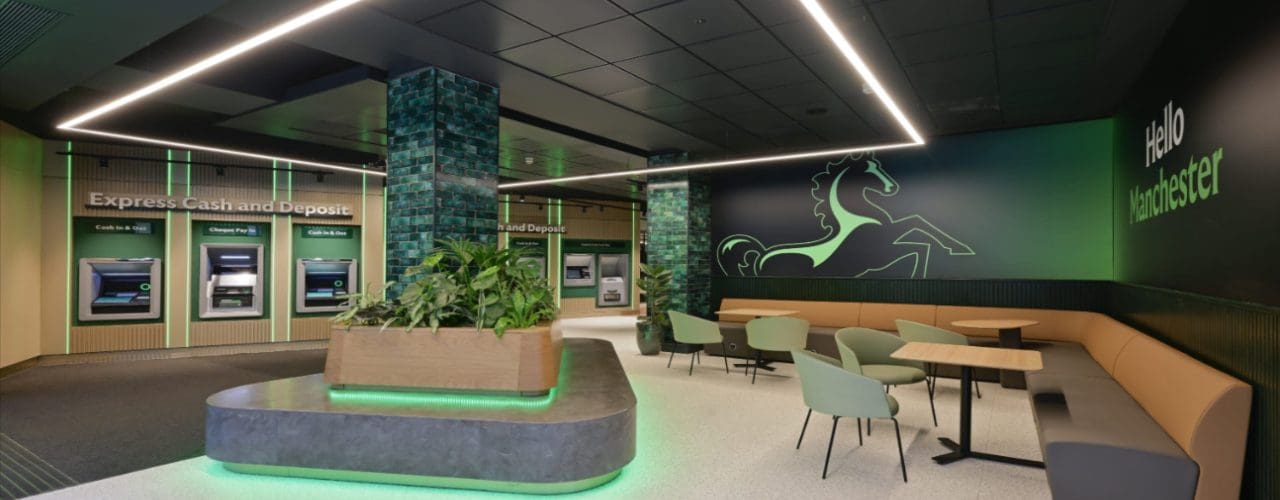
A physical store can be one of the clearest expressions of a brand when its layout, service model and communications work together. High-density product display may suit some formats, while others need more space for advice, discovery or hospitality. The design response should follow the proposition and customer need.
Stores can offer sensory, social and service experiences that digital channels cannot reproduce in the same way. Treating floor space as a setting for useful guidance and product interaction can support engagement, but commercial value should be tested through defined measures.
Why physical stores need a distinct design strategy
Physical stores need a distinct design strategy because their role is different from that of an online channel. A clear physical proposition can support discovery, service, brand meaning and local relevance while connecting smoothly with digital purchasing and collection journeys.
The commercial role of human-centred spaces
Human-centred spaces can reduce uncertainty and make service easier to access. Clear navigation, comfortable consultation areas and visible staff support may encourage longer engagement or more productive conversations, but these outcomes depend on the wider proposition and operating model.
M Worldwide helps retailers use insight, customer experience design and environmental design to create stores that are relevant, recognisable and practical to operate. Talk to us about assessing an existing format, defining a future vision or developing principles for wider rollout.