Inconsistent stores weaken recognition, customer confidence and operational performance. The problem rarely begins with one poor design decision. It develops as legacy formats, local workarounds, piecemeal refurbishments and disconnected teams pull an estate in different directions.
Retail interior design protects consistency when it translates brand strategy, customer journeys, communications and operational requirements into a flexible format system. Consistency does not mean making every location identical. It means knowing what must remain recognisable and what can adapt to the market, footprint and customer mission.
M Worldwide combines transformation programmes with environmental design to move from future vision to practical delivery. For retailers managing multiple formats, that joined-up approach creates a clearer route from brand and experience audit to pilot and rollout.
Why brand consistency breaks across a retail estate
Retail estates accumulate history. New concepts are added to old ones. A flagship receives investment while smaller formats are updated gradually. Different agencies, contractors and internal teams interpret the brand in different ways. Local managers solve operational problems with the tools available to them.
Over time, the estate may retain the logo while losing the experience. Navigation changes from store to store. Promotional messages compete for attention. Fixtures become generic. Digital touchpoints appear without a clear role. Service areas are adapted to fit space rather than customer need.
These differences create more than a visual problem. Customers have to re-learn how the brand works. Staff spend time explaining unclear journeys. Maintenance and procurement become harder. Investment is repeated because there is no shared retail format strategy.
Define what must stay consistent and what can flex
Strong multi-site retail design begins by separating non-negotiable principles from adaptable elements. The brand promise, core customer journey, communication hierarchy and signature experience cues may need to remain consistent. Footprint, category mix, local services and expression can often flex.
This principle of consistency with relevance prevents two common mistakes. The first is rigid replication, where a concept designed for one flagship is forced into every building. The second is unmanaged variation, where each market or store creates its own interpretation without shared standards.
A format system should be precise enough to protect recognition and flexible enough to work in different conditions. That may mean a consistent welcome and service logic expressed through different materials, or a shared zoning principle adapted to compact, standard and destination stores.
Translate brand strategy into a retail format system
Brand consistency in retail depends on turning abstract ideas into decisions that teams can use. A statement such as ‘be more human’ is not a format principle until it influences planning, sightlines, service positions, communications and material choices.
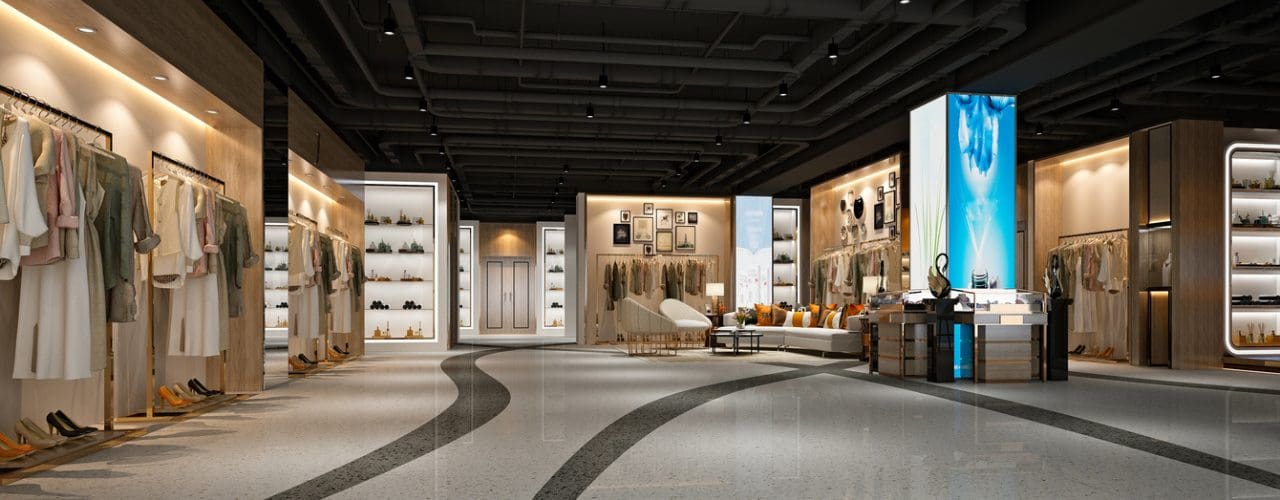
Commercial retail interior design can codify those decisions through planning rules, fixture families, material palettes, digital roles, message hierarchies and operational adjacencies. It should also define what customers need to see and do at each stage of the journey.
Brand and communications design provides the link between proposition and application. Clear brand DNA, visual language and messaging principles help architects, designers, operators and suppliers make aligned choices without requiring every detail to be prescribed.
Pilot before rollout
A format becomes credible when it works in a live environment. Pilots allow retailers to test the relationship between the design idea and the realities of staff behaviour, customer missions, stock, maintenance and peak trading. The pilot should answer specific questions:
- Can customers find priority categories?
- Does the service model work with available staffing?
- Are digital tools useful or ignored?
- Do materials perform under daily use?
- Can the format be delivered within the required cost and programme?
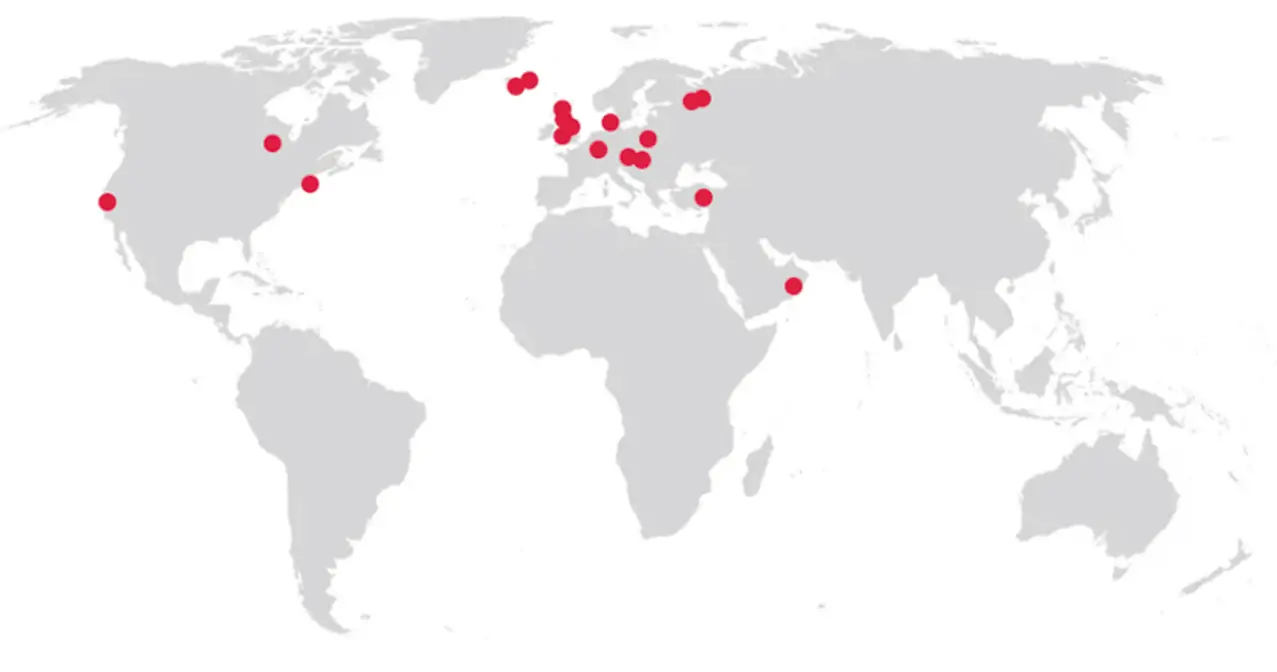
M Worldwide’s TK Maxx retail design work developed store principles across planning, branding, windows, messaging, lighting, materials and finishes before wider European rollout. The store principles were first brought together at the Gracechurch Street flagship before the new design was rolled out to other European city locations.
Build for different markets and customer missions
Retail rollout design needs to account for context without allowing context to dilute the brand. A city-centre convenience format may prioritise speed. A destination store may support discovery and longer dwell. Regional markets may require different product stories, service expectations or digital behaviours.
The answer is modularity, not compromise. Core zones, service moments and brand cues can be assembled in different ways while preserving the experience logic. Local teams gain room to respond, but within a framework that keeps the estate coherent.
The Syn Vodafone pilot concept illustrates this future-format approach. The physical store was reframed as a flexible Digital Media Hub. M Worldwide stated that performance data would be monitored and customer feedback gathered, while Syn described the concept as the model design for future Vodafone locations.
Govern the estate after launch
Consistency can still erode after a successful rollout. Promotions are added, suppliers change, technology evolves and local teams solve new problems. Governance keeps the format alive without freezing it.
Useful tools may include a retail design manual, fixture specifications, communications templates, supplier guidance, approval routes and examples of acceptable adaptation. The best guidance explains why a principle exists, not only what it looks like. This helps teams make better decisions when new situations arise.
Periodic audits can identify drift before it becomes expensive. M Worldwide’s Project Accelerators include brand and experience audits and ideation workshops, creating a practical entry point for retailers that need to diagnose an estate before committing to a full transformation programme.
Measure commercial consistency
Retail interior design should be assessed through customer and operational outcomes as well as design compliance. Recognition, ease of navigation and confidence reveal whether the brand is working consistently for customers. Conversion, footfall, dwell and service uptake show how the format supports performance.
Retailers should also track rollout cost, maintenance, staff feedback and time required to implement local change. A system that looks consistent but is difficult to operate or expensive to reproduce will not remain consistent for long.
The objective is a repeatable relationship between brand intent and real-world performance. A well-governed format gives each location enough structure to feel unmistakably part of the brand and enough flexibility to remain useful.
Create consistency with relevance
Managing a retail estate is not a choice between control and local relevance. Clear principles make relevant adaptation possible because teams understand which parts of the experience carry the brand and which parts can change.
M Worldwide helps retailers assess existing experiences, define future formats and create principles suitable for wider rollout. Talk to us about a brand and experience audit, ideation workshop, pilot concept or wider transformation programme.
Frequently asked questions
How does retail interior design improve brand consistency?
It converts brand strategy into repeatable spatial, communication and operational principles, so customers encounter a recognisable experience across different locations.
What should a multi-site retail design system include?
It should define planning principles, customer journeys, zoning, fixture families, materials, communication hierarchies, digital roles, operational rules and guidance for local adaptation.
How can retail formats adapt locally without diluting the brand?
Separate the non-negotiable brand and experience principles from elements that can flex, such as footprint, category mix, regional messaging and service emphasis.
When should a retailer commission a brand and experience audit?
An audit is useful when formats have multiplied, customer journeys feel inconsistent, local workarounds are increasing, or the business is preparing for refurbishment, acquisition or rollout.
What is the role of a retail interior design company in a rollout programme?
The role is to connect strategy with practical delivery by defining the format, testing key principles and documenting clear standards for consistent, repeatable rollout.