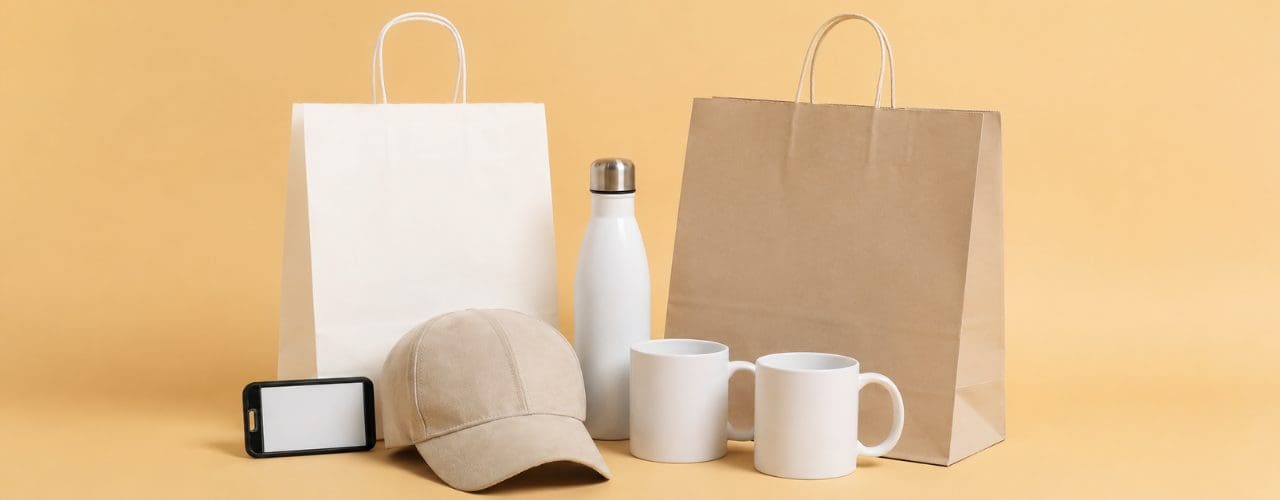
For many experience-led brands, merch is moving beyond the traditional souvenir shelf. A cap, tote, cup or limited-edition object can act as a portable part of the brand experience, giving customers a simple way to express affiliation after they leave the space.
The commercial opportunity is broader than selling another product. When merch reflects recognisable brand DNA and feels desirable, it can support recall, advocacy, earned visibility and incremental value. When it feels generic or forced, it becomes promotional clutter.
M Worldwide’s approach to brand and communications design connects proposition, visual language, messaging and physical application. This shifts the question away from what a brand can put its logo on and towards which part of the experience customers would genuinely want to carry into the wider world.
Why brand affiliation has become more visible
People have always used objects to communicate identity. What has changed is the range of brands, places and communities that can now function as cultural signals. A customer may wear a restaurant cap, carry a gallery tote or keep a distinctive reusable cup because the object says something about taste, membership or shared knowledge.
This creates a low-commitment form of participation. Customers do not need to join a formal loyalty scheme or post a testimonial. They can simply choose an object that fits their life. That choice makes brand affiliation visible to friends, colleagues and passers-by, extending the relationship into settings the original experience could never reach on its own.
Not every logo has that power. Within brand experience design, wearable brand loyalty is earned when the brand has a clear point of view, and the object gives people something they genuinely want to use.
What makes merch feel like brand experience rather than promotion
Effective merch carries more than a visual mark. It expresses the same proposition, attitude and quality that customers encounter in the space. The tone may be quiet or bold, but it should feel recognisable without relying on an oversized logo.
Desirability is the first test. The object needs to work as a product, not only as media. Relevance is the second: it should make sense for the audience, occasion and brand. Quality matters because an object that quickly breaks or disappears into a drawer cannot create long-term visibility. Cultural fit matters because imitation is easy to spot.
A branded merchandise strategy also needs restraint. Scarcity can make an object feel considered, but constant limited drops can become formulaic. A wide range may increase choice, but it can dilute the idea. The strongest approach often starts with a small number of ownable products tied to a distinctive part of the experience.
Design the moment, not only the object
Merch becomes part of brand experience design through the way customers discover, understand and buy it. A product hidden behind the till feels like an afterthought. A display that interrupts the main journey can feel like an aggressive upsell. Placement should match the customer’s level of attention and the role the object plays.
The space can build context through product storytelling, material samples, packaging or a visible link to a service ritual, place or community. Staff should be able to explain the idea without delivering a sales script. The transaction should be easy, but the moment should still feel intentional.
This is where customer experience design adds value. Journey mapping can identify when customers are most receptive, what information they need and how the purchase can sit naturally alongside the main reason for visiting.
Use the physical environment to create coherence
Portable brand touchpoints are most convincing when the space and the object share the same codes. Materials, typography, colour, language and packaging do not need to match literally, but they should feel as though they come from the same system.
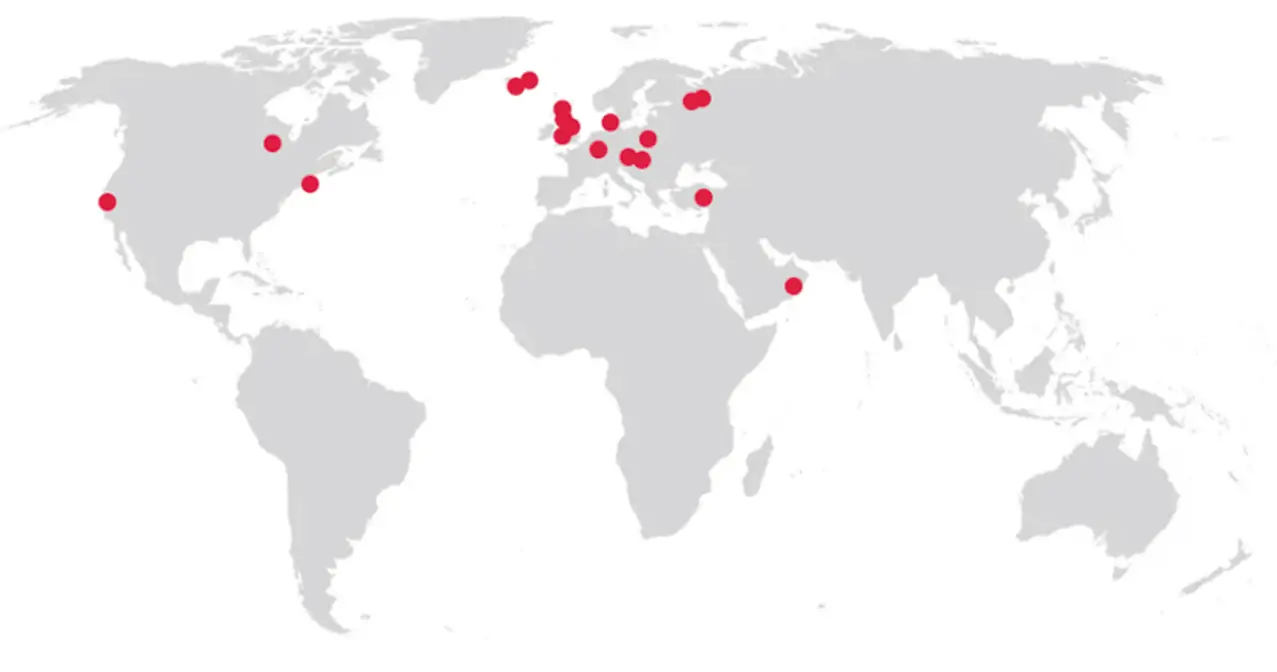
That coherence is especially important for brands with several formats or channels. The product may be discovered in a flagship, bought through an app and used in a different city. Clear brand principles help it remain recognisable without becoming repetitive.
M Worldwide’s work on the Showtown museum shop demonstrates how merchandise can be considered as part of the wider visitor experience. Its strategy, product development and creative teams developed product-range ideas aligned with the Showtown audience, licensing agreements and financial objectives, while the environmental design considered fixtures, sightlines, navigation and operational ease.
Extend the experience after the visit
The value of merch often begins when the customer leaves. An object can prompt memory, start a conversation or make a place easier to recommend. It may also create recognition between people who understand the same reference.
This extended life is why merch as brand experience can generate earned visibility. The brand is present in homes, workplaces, streets and social content through something the customer has chosen to keep. That visibility is more credible when the object has utility and meaning, rather than looking like free promotional stock.
Brands should avoid treating customers as mobile advertising space. The customer receives value first: a useful, well-made or culturally relevant object. Advocacy is a possible outcome of that exchange, not an entitlement.
Commercial value needs commercial discipline
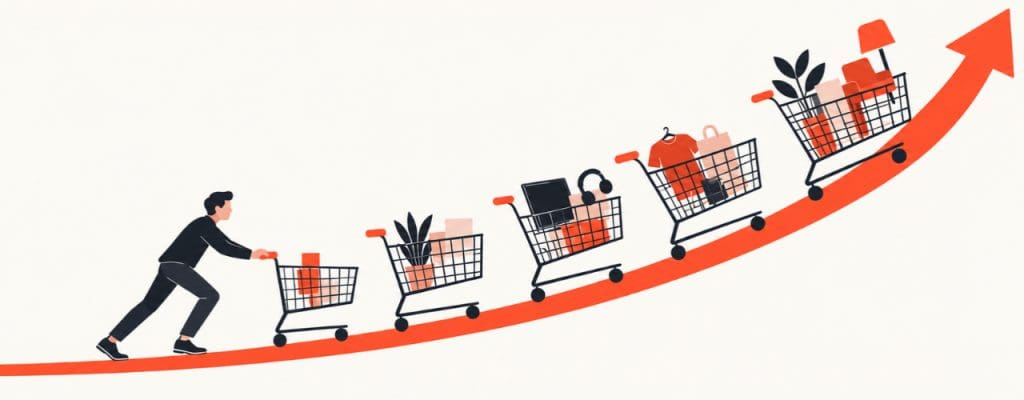
Merch can contribute incremental revenue, but the strongest business case may combine several forms of value: product margin, stronger recall, customer advocacy and a deeper sense of community. Those outcomes should be tested rather than assumed.
Small pilots can reveal which products customers notice, handle and buy. Sell-through, repeat purchase, attachment rate and customer feedback can inform the next decision. Brands should also account for production volume, storage, waste, sourcing and end-of-life. Overproduction weakens both commercial and environmental credibility.
M Worldwide can support the strategy behind the merchandise, including product-range thinking, brand application and the way products are presented within the customer journey. This connects the object to the wider proposition without suggesting that M Worldwide manufactures the merchandise itself.
Create something worth carrying
The strongest merch does not begin with a blank product and a logo. It begins with a clear understanding of what customers value about the brand and which part of that experience they would choose to take with them.
M Worldwide helps brands translate clear brand DNA across environments, communications and customer touchpoints. Talk to us about creating a more coherent and commercially relevant brand experience.
Frequently asked questions
How does merch support brand experience design?
It can extend recognisable brand cues beyond the visit, giving customers a useful or desirable object that reinforces memory, affiliation and conversation.
When does branded merchandise feel authentic rather than promotional?
It feels authentic when the product is desirable in its own right, relevant to the audience and clearly connected to the brand proposition, place or experience.
What commercial value can merch add to a brand experience?
Potential value includes product margin, attachment sales, stronger recall, advocacy and earned visibility. Brands should test these outcomes through pilots and avoid assuming that merch automatically creates loyalty.